UK laser cleaning
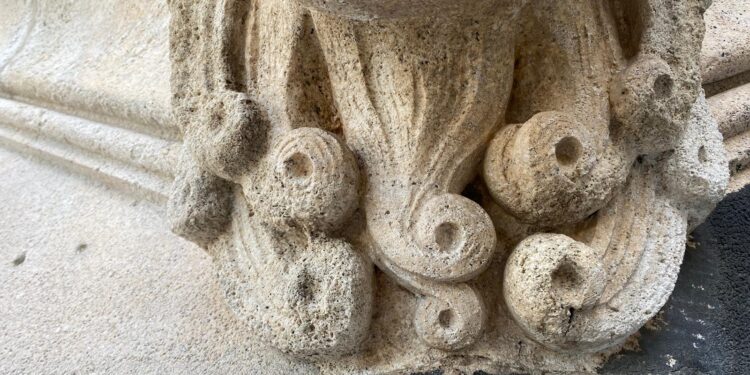
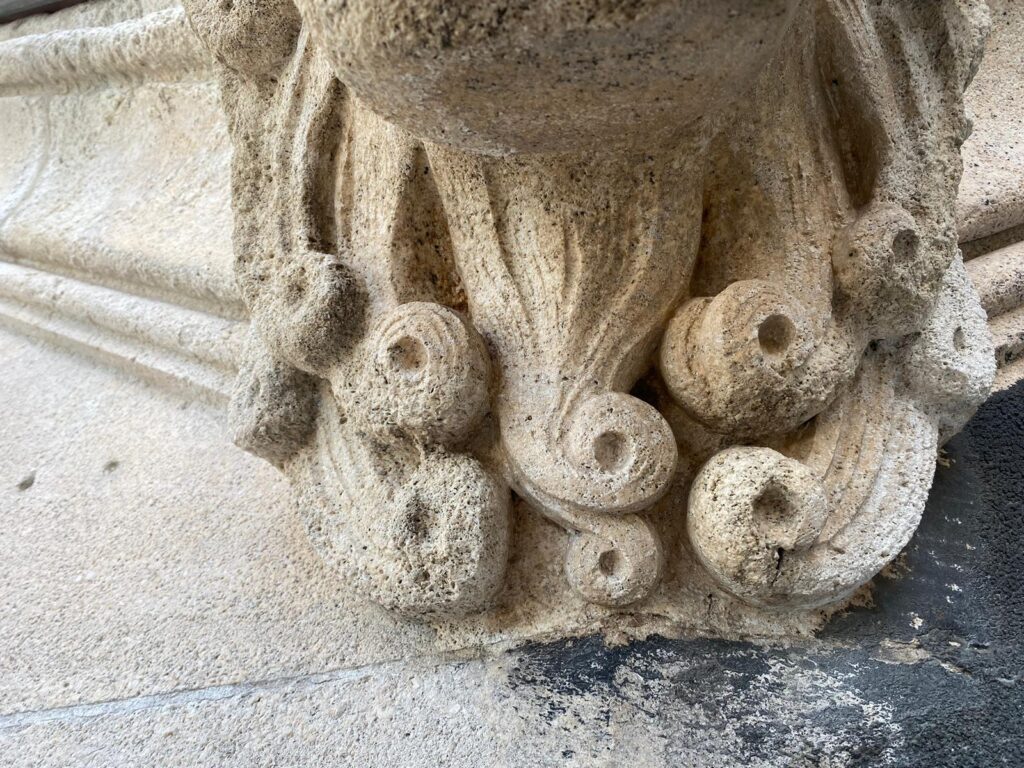
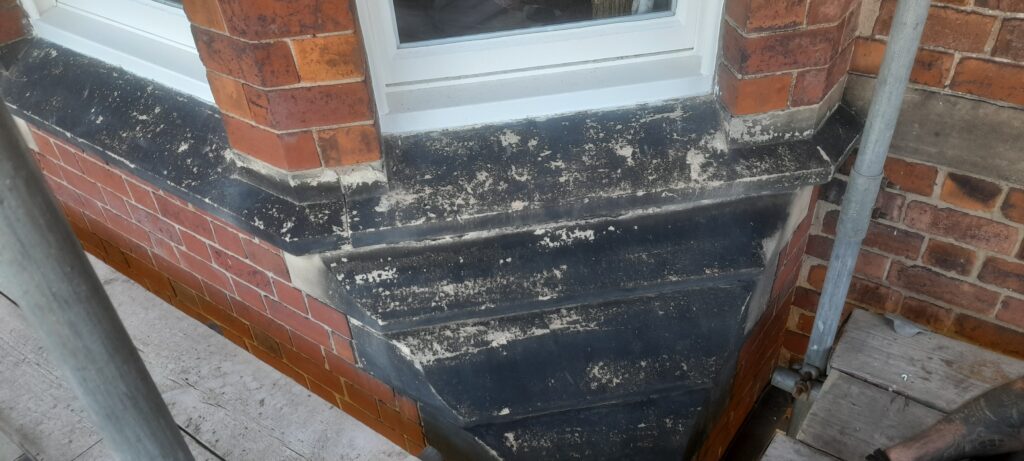
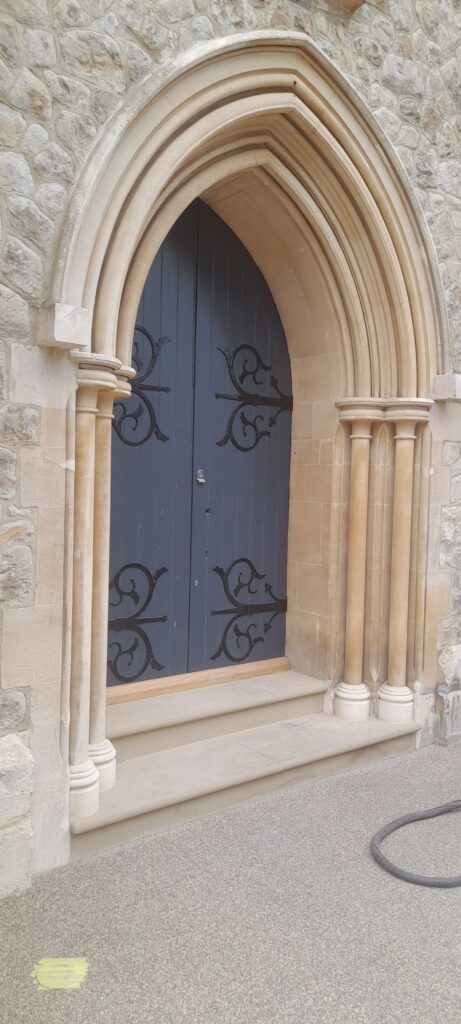
Laser cleaning allows control of the thickness of the removed layer of impurity, safely removing paint, varnish and discolouration by air pollution or smoke damage. The result is appreciated by conservators due to the selectivity of the technology and the resulting lack of damage to the surface cleaned. The compact size of the machines allow some buildings to be cleaned from mobile platforms, meaning no unsightly scaffolding up for months. We have been involved in the restoration of glazed, brick and stone facades, sculptures made of stone, sandstone and various metals and marble surfaces.
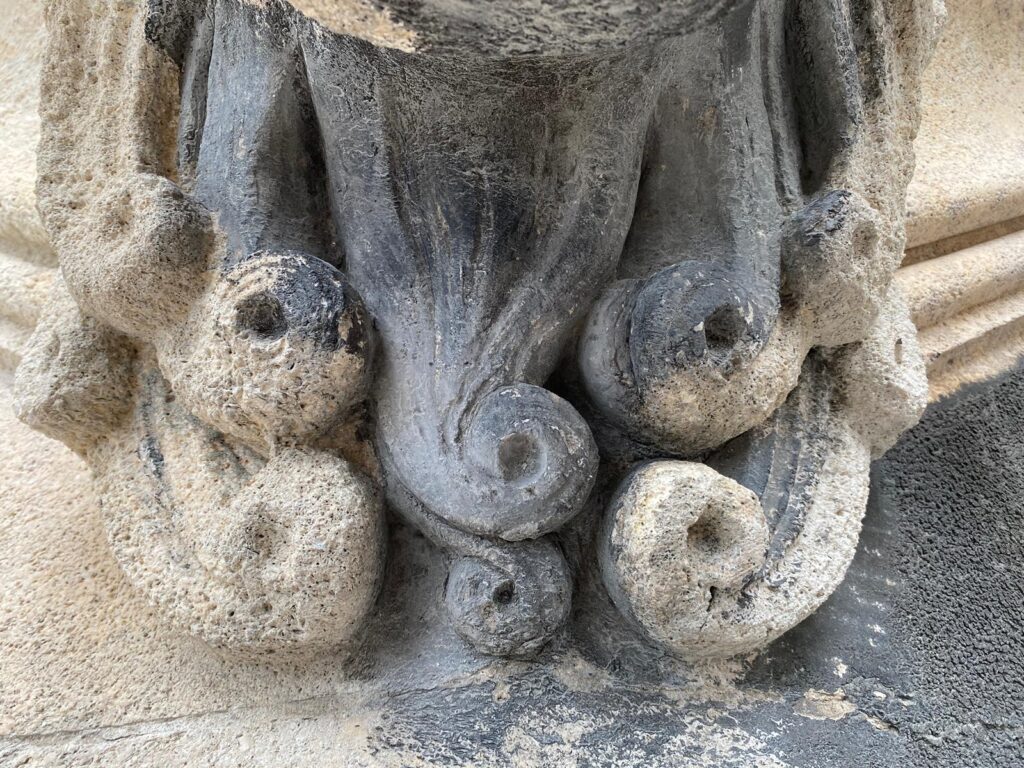
During cleaning, no harmful substances are produced. The only used medium is electricity, and the materials which are removed are safely collected by the HEPA extraction system, the process meets the highest environmental standards.
The process of laser cleaning is defined as non-invasive. It does not use any abrasive to remove coatings or staining caused by pollution. It uses a laser pulse with precisely set parameters; the pulse can be adjusted to be able to clean almost any surface. This method is almost universal and replaces the alternative processes of sandblasting, soda blasting, dry ice blasting and chemical cleaning
The laser beam does not affect the surface of the item being treated, it selectively removes only the surface contaminants. Thanks to this, it can be used on the delicate surfaces, without causing surface damage or loss of material. The short length of the beam contains the operation in a small area and requires only the operator to wear protective glasses. If required screens can be erected to mask the working surface and ensure no one can see the beam in operation.
Contact Ed Seymour, ed@uklasercleaning.com 07973711948